



What Is Photobiomodulation?
Photobiomodulation (PBM) is a non-invasive medical technique that uses specific wavelengths of light to stimulate cellular processes.
Used in oncology at Ibn Khaldoun Medical Center in Tunisia, this complementary therapy helps manage the side effects of conventional cancer treatments, including chemotherapy, radiotherapy and surgery, without interfering with their effectiveness.
Unlike surgical lasers, which generate heat and destroy tissue, photobiomodulation uses low-intensity cold light that stimulates the body’s natural healing mechanisms.
How Does Photobiomodulation Work?
Mechanism of Action at the Cellular Level
Photobiomodulation acts primarily on the mitochondria, the energy-producing structures of our cells. When cells are exposed to specific wavelengths of light, generally in the red and near-infrared spectrum, this stimulates cytochrome c oxidase, a key enzyme in the mitochondrial respiratory chain.
This stimulation leads to an increase in ATP (adenosine triphosphate) production, the molecule that provides the energy required for cellular processes. It also activates various cellular signaling pathways that promote:
- Reduction of inflammation
- Tissue regeneration
- Modulation of the immune response
- Pain reduction
Cellular Effects of PBM
These cellular effects translate into significant clinical benefits for oncology patients.
The Photobiomodulation Process

Light Emission
Application of light at specific wavelengths, generally between 600 and 1000 nm, to the treatment area.
Cellular Absorption
Mitochondria absorb the photons and increase their energy production through ATP synthesis.
Biological Effects
Activation of cellular regeneration processes and reduction of inflammation.
Clinical Outcomes
Relief of symptoms and improvement in quality of life.
Indications for Photobiomodulation in Oncology
Photobiomodulation is particularly beneficial in managing several common side effects of cancer treatment.
Preventive Treatment of
- Radiation-induced mucositis
- Chemotherapy-induced mucositis and radiodermatitis
- Supportive care in ENT cancers, breast cancer, and related situations
Curative Treatment of
- Radiation-induced mucositis / aphthous lesions
- Chemotherapy-induced mucositis
- Radiodermatitis
- Xerostomia (dry mouth)
- Radiation fibrosis (cutaneous and musculoskeletal fibrosis)
- Radiation-induced trismus
- Dysphagia during or after radiotherapy
- Post-treatment lymphedema
- Early osteoradionecrosis
- Delayed skin wound healing
- Chemotherapy-induced peripheral neuropathy, including with Xeloda, Taxol, Taxotere and cisplatin
- Hand-foot syndrome secondary to capecitabine chemotherapy
- Post-chemotherapy nausea and vomiting
- Chemotherapy-related neurocognitive toxicity, including memory and concentration difficulties
- Arthralgia and tendinopathy associated with hormone therapy
- Bisphosphonate-related osteonecrosis
- Chronic pain
- Other specific indications
Benefits for Patients
Significant Reduction in Pain
PBM modulates nerve activity and reduces inflammatory mediators responsible for pain.
Improved Quality of Life
By reducing side effects, patients tolerate treatment more effectively and regain a better quality of life.
Non-Invasive and Painless Therapy
PBM is a painless procedure, with no incision and no significant side effects when properly delivered.
Complementary to Conventional Treatments
Photobiomodulation does not interfere with the effectiveness of chemotherapy or radiotherapy.
Reduced Dependence on Medication
By decreasing pain and inflammation, PBM may reduce the need for analgesics and anti-inflammatory drugs.
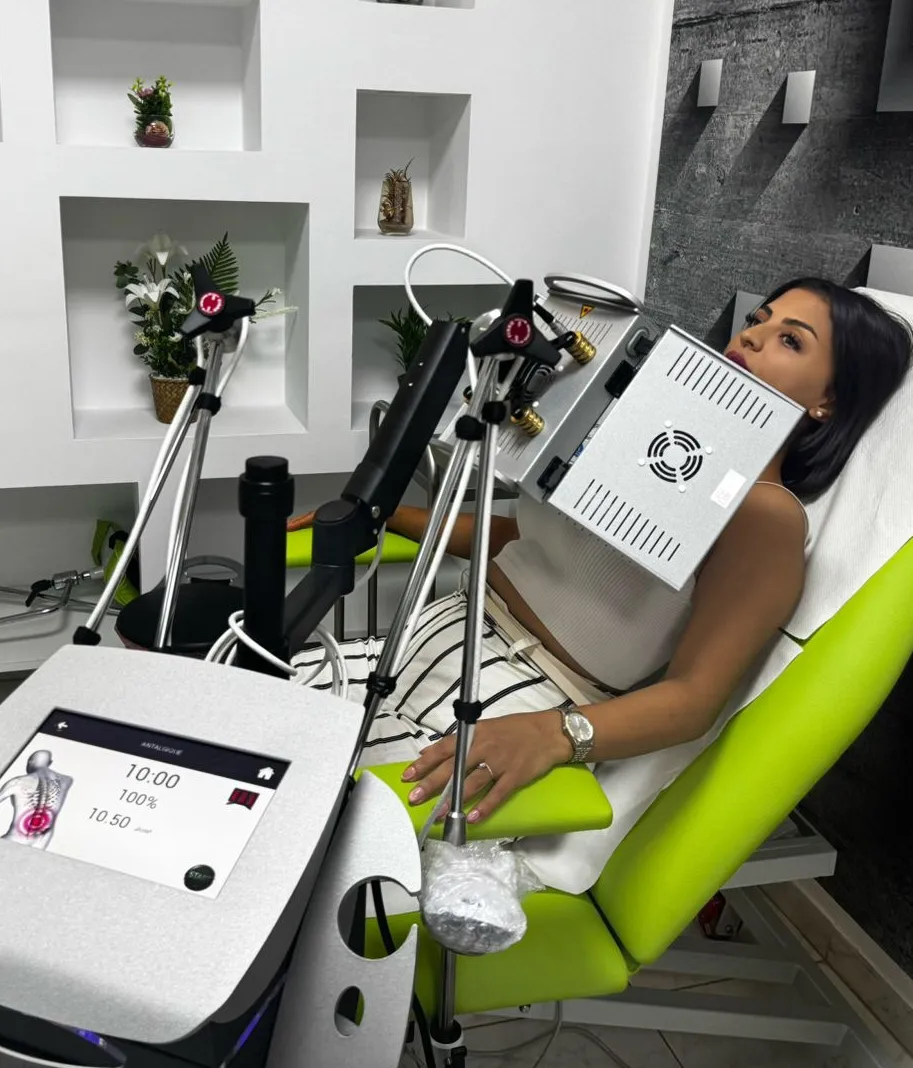
How a Session Takes Place
Photobiomodulation treatment is simple, quick, and does not require any special preparation.
Assessment
Our medical team evaluates your condition and determines the treatment protocol best suited to your situation.
Application
A device emitting light at specific wavelengths is applied to the area being treated.
Treatment
The session generally lasts between 5 and 30 minutes depending on the condition being treated.
Results
Benefits are usually noticeable after a few sessions, with progressive improvement over time.
The number of sessions required varies according to the condition being treated and the individual response, generally ranging from 5 to 20 sessions over several weeks.
Safety and Precautions
A Safe Therapy When Properly Delivered
Photobiomodulation is generally considered a safe therapy with few side effects when administered by trained professionals following established protocols.
It is important to note that certain precautions must be observed:
- Avoid direct application to active malignant tumors, except within specific research protocols
- Adapt the parameters according to skin type and medical condition
- Protect the eyes during treatment
At Ibn Khaldoun Medical Center, all our protocols are established in accordance with the latest international recommendations and in coordination with your oncology team.
Why Our Approach Is Safe
Certified Medical Equipment
Use of approved medical devices with controlled parameters.
Trained Medical Staff
Our team regularly undergoes training in the latest advances in photobiomodulation.
Validated Protocols
Application of evidence-based protocols tailored to each patient.
Coordination with the Oncologist
Close collaboration with your treating physician to ensure consistent and safe care.
Frequently Asked Questions
No. When delivered according to established protocols for treatment-related side effects, photobiomodulation does not interfere with the effectiveness of conventional cancer therapies such as chemotherapy, radiotherapy or immunotherapy. On the contrary, it may improve tolerance to these treatments by reducing their side effects.
The number of sessions varies depending on the condition being treated and the individual response. In general, for oral mucositis, significant results are often observed after 3 to 5 sessions. For lymphedema, a protocol of 10 to 20 sessions is generally recommended. Our team will assess your situation and establish a personalized treatment plan.
No. Photobiomodulation is a painless procedure. Patients generally feel only a mild sensation of warmth during application. No anesthesia is required, and there is no recovery period after the sessions.
Photobiomodulation is generally very well tolerated. Side effects are rare and usually mild when they occur. They may include slight temporary skin redness or, in rare cases, a mild headache. These effects resolve quickly without intervention.
In Tunisia, some private insurance providers may partially or fully cover photobiomodulation sessions when they are prescribed by a physician. Our administrative team can help you verify your coverage and prepare your file.
